Small-batch flaxseed: cadence matters more than tonnage
Flaxseed oil's 6-12 month shelf life makes pressing cadence a quality lever. Press only what sells in 3-4 months. Reference scale: 200-355 ton hydraulic, 80-100 kg/barrel, 60-90 min/cycle, yield 28-35% = 22-35 kg oil/cycle. Daily 4-8 cycles = 100-280 kg oil/day. Cake: 50-70 kg/cycle × protein 30-35% + lignans (SDG) 0.7-1.5% — defat + extract → premium nutraceutical lignan ingredient (5-10× cake feed price).
Lot identity and traceability
Each batch (80-100 kg seed) → labeled bottles 100-250 ml. QR code → variety, harvest date, press date, peroxide value at bottling. Traceability supports premium positioning and EU/US nutritional regulation.
Cadence-driven sizing
Sales velocity 1000 bottles 250 ml/month = 250 L/month = ~700 kg flaxseed/month = 7-9 cycles. Press 1-2 days/week, not daily. Avoid >14-day storage hold to keep peroxide <5 meq O₂/kg at bottling.
Cake nutraceutical opportunity
Flaxseed cake protein 30-35%, lignan SDG (secoisolariciresinol diglucoside) 0.7-1.5%. Defat + ethanol extraction → SDG concentrate for nutraceutical capsules. Ingredient price 5-10× plain feed cake.
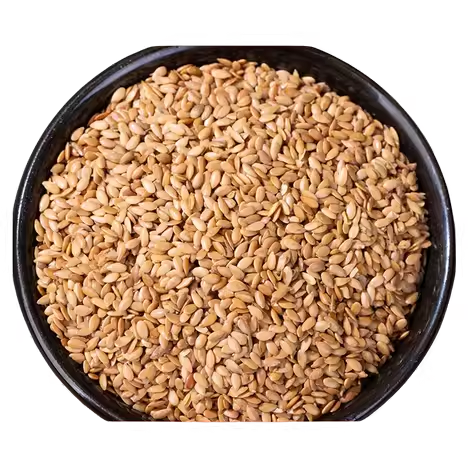
Small-batch parameters
Sizing a small flaxseed line by sales cadence
- Sales target: bottles/month × bottle size = oil volume → ÷ yield 28-35% = seed weight needed.
- Press class: 200 ton (50-80 kg/barrel) for <500 kg/month; 355 ton (100 kg/barrel) for 500-3000 kg/month seed feed.
- Cycle: 60-90 min cold press at ≤40-50°C, water-cooled jacket. 4-8 cycles per shift = 320-720 kg seed/shift = ~100-250 kg oil/shift.
- Filter + tank + bottle: 1-5 μm bag → 200-1000 L jacketed tank with N₂ → fill within 7-14 days into 100-250 ml dark glass.
- Cold-storage: ≤15°C jacket on storage tank, refrigerated logistics for premium brands. Cake: 25/50 kg bag for feed; or defat + lignan extraction for nutraceutical.
Common errors
Where small-batch flaxseed planning fails
- Press sized for 10× current demand → forced to store oil >30 days → peroxide rises >10 meq O₂/kg → loses premium positioning.
- Press jacket runs at 60-80°C 'standard cold press' settings → ALA degrades → nutritional claim collapses at first batch test.
- Filtration in open-air plate-frame instead of N₂-purged bag housing → doubles oxidation in 4 hours.
- Clear or green-tinted glass instead of dark amber/violet → UV exposure shortens shelf life by 50%.
- Treating cake as low-grade feed when 0.7-1.5% SDG can support a parallel nutraceutical revenue line.
Questions to confirm next
Why press only 1-2 days a week instead of daily?
Is flaxseed cake worth defatting for lignan extraction?
Keep the finish-quality path moving
These next topics protect low-temp control, filtration, and packaging fit
Ready to size a line for your oilseed?
Share kernel grade, low-temperature expectations, filtration cleanliness, and packaging direction. We size the line around a premium small-batch project, not a loose machine quote.