Flaxseed cold-press + ALA preservation + nitrogen storage + premium bottle

Flaxseed cold press line for oxidation-sensitive premium oil projects.

Flaxseed oil is the richest common source of omega-3 ALA — and the most oxidation-sensitive edible oil you can press. A flaxseed hydraulic line must be scoped as a protection chain from lot inspection to sealed bottle, not just a press that runs cold.

  • Oxidation risk and ALA preservation belong before any press discussion, because the omega-3 content that makes flaxseed oil valuable is also the reason it requires a protection-first engineering approach.
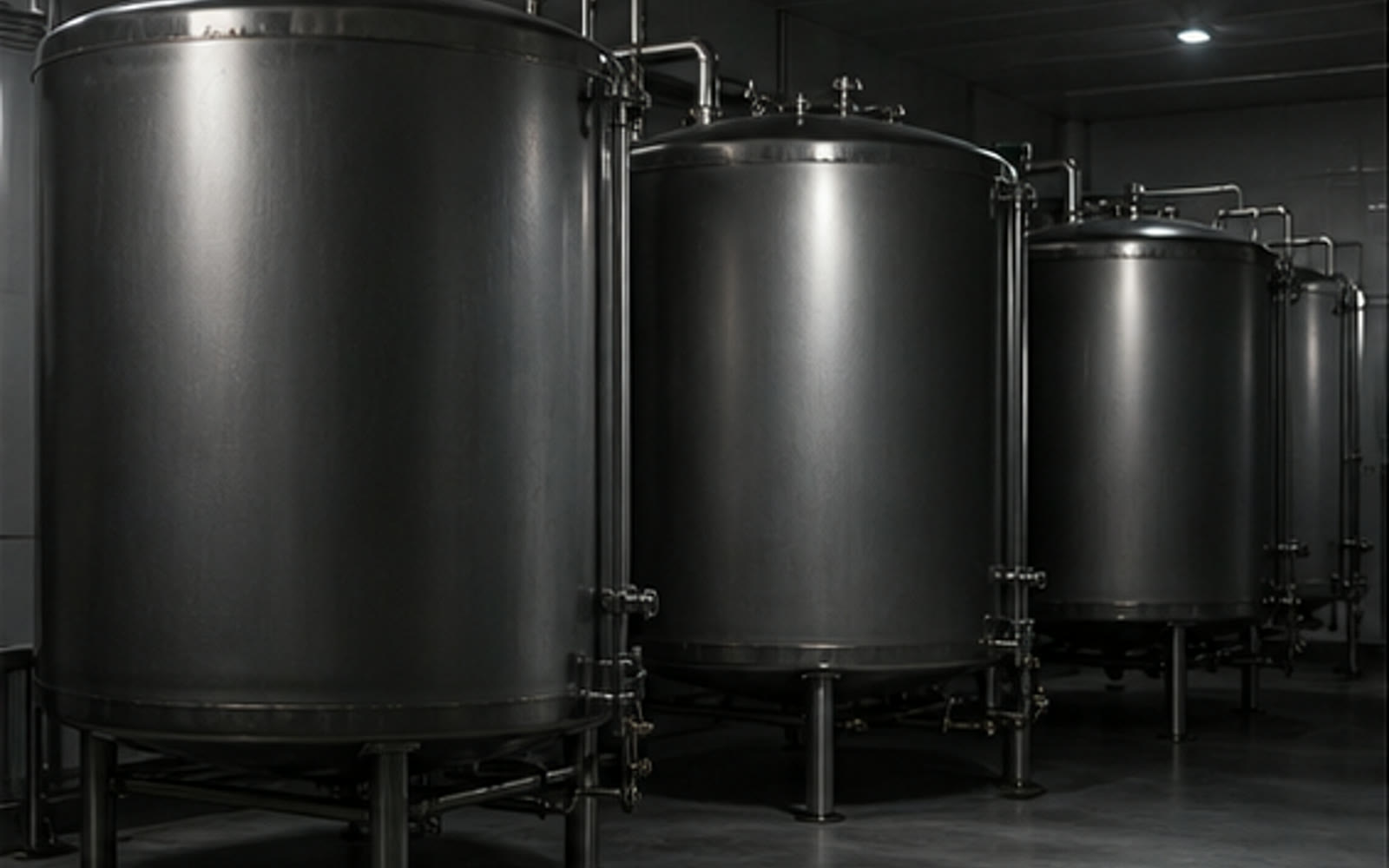
  • Nitrogen blanketing, dark storage, and light-protected filling are treated as line modules, not optional extras. They define whether the final product is premium nutrition oil or degraded commodity.
  • Pack format — amber glass, nitrogen flush, short-run dating — is treated as a protection-chain decision that must be scoped with the press, not added after the line is built.

Fast inquiry

No need to read everything first; send these 4 points

Start flaxseed project brief
1Kernel grade, cleanliness, and moisture
2Low-temperature window and filtration target
3Small batches, bottle type, and packaging
4Samples, testing, or contract records
Flaxseed lot freshness and storage management reference
Freshness is everything

Flaxseed oil oxidizes faster than almost any edible oil — the project starts with lot discipline

Flaxseed oil is rich in alpha-linolenic acid (ALA), the omega-3 fatty acid that makes it nutritionally valuable — and extremely oxidation-prone. When the discussion opens with lot history, storage age, and freshness discipline, the real project risk becomes visible. Temperature, light, and oxygen exposure are enemies from harvest to bottle.

See lot discipline
Flaxseed cold-press protection flow video poster
Protection chain
01:02

From gentle feed through low-temperature pressing to nitrogen-blanketed dark storage

This clip follows flaxseed from lot inspection through gentle conditioning, low-temperature hydraulic pressing, rapid filtration, and into nitrogen-blanketed dark tanks. It shows why the protection chain — not the press alone — defines a premium flaxseed oil project.

Watch protection flow
Flaxseed low-temperature pressing reference
Low-temperature cell

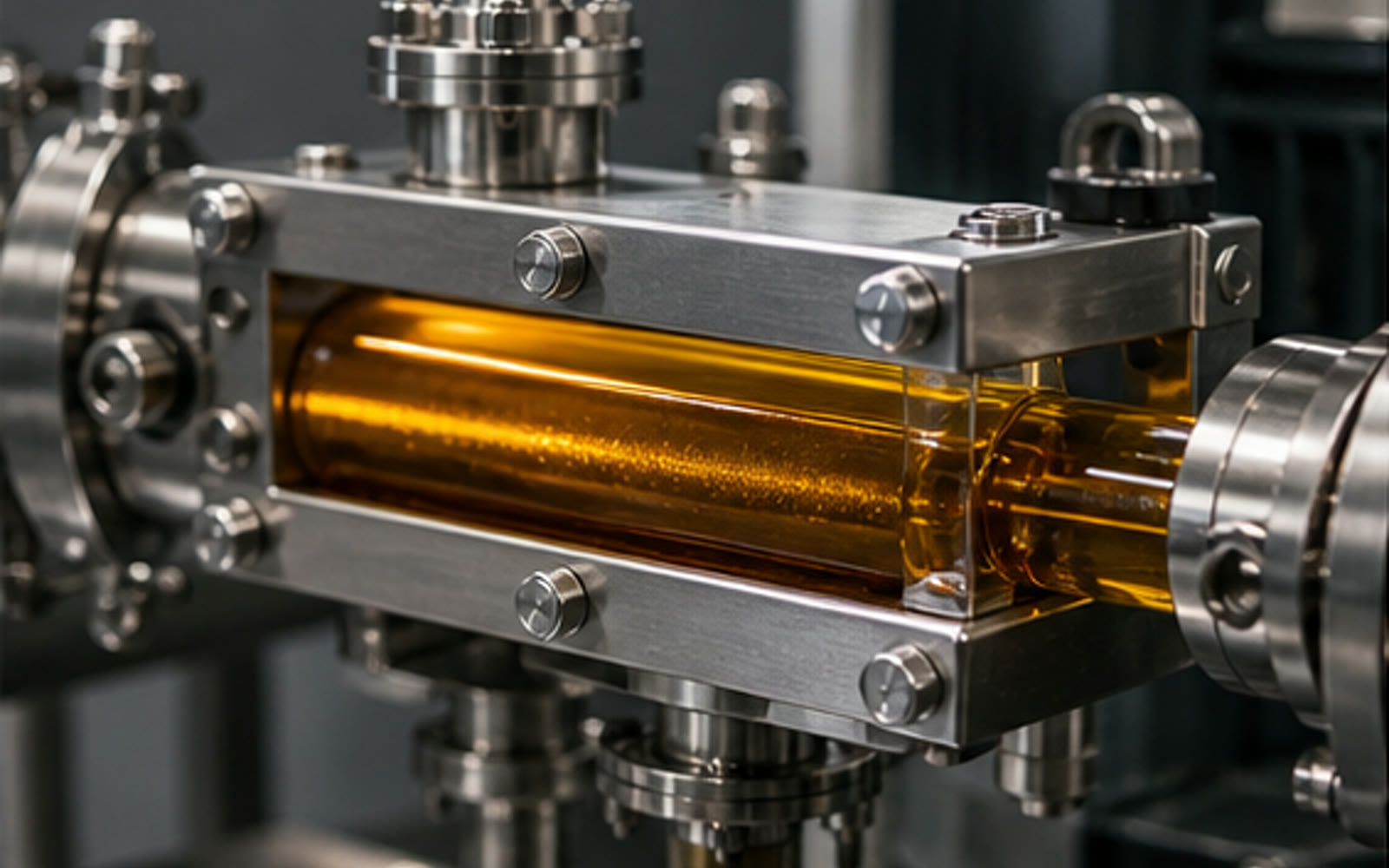
A gentle hydraulic cell where pressing temperature stays below the ALA degradation threshold

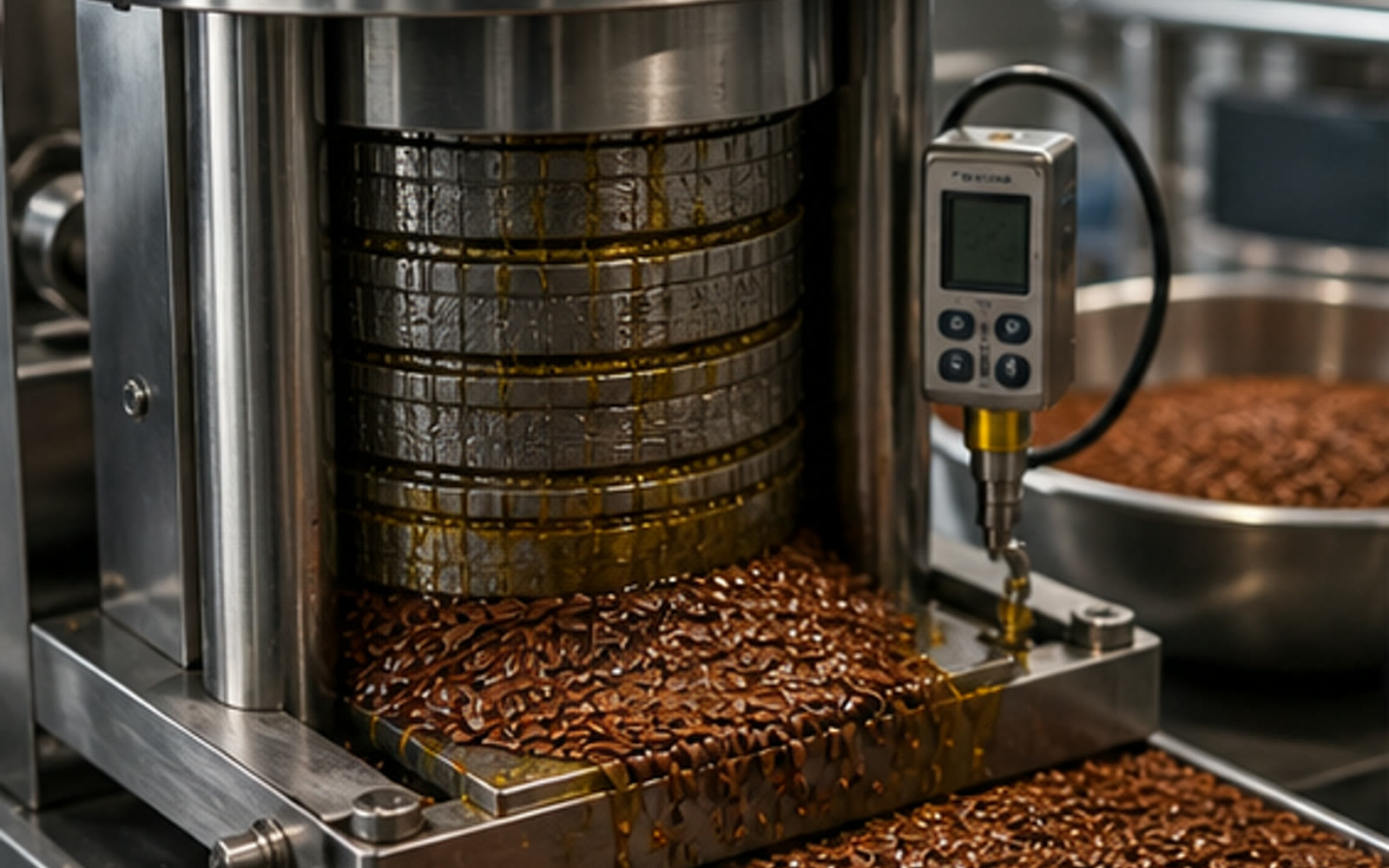
Cold-press is not a marketing label — it is a measurable temperature discipline. On flaxseed, keeping the oil exit temperature below 40–45°C preserves the ALA behind the premium. This needs to be framed as an engineering commitment, not a slogan.

See pressing discipline
Flaxseed oil amber bottle packaging reference
Retail finish

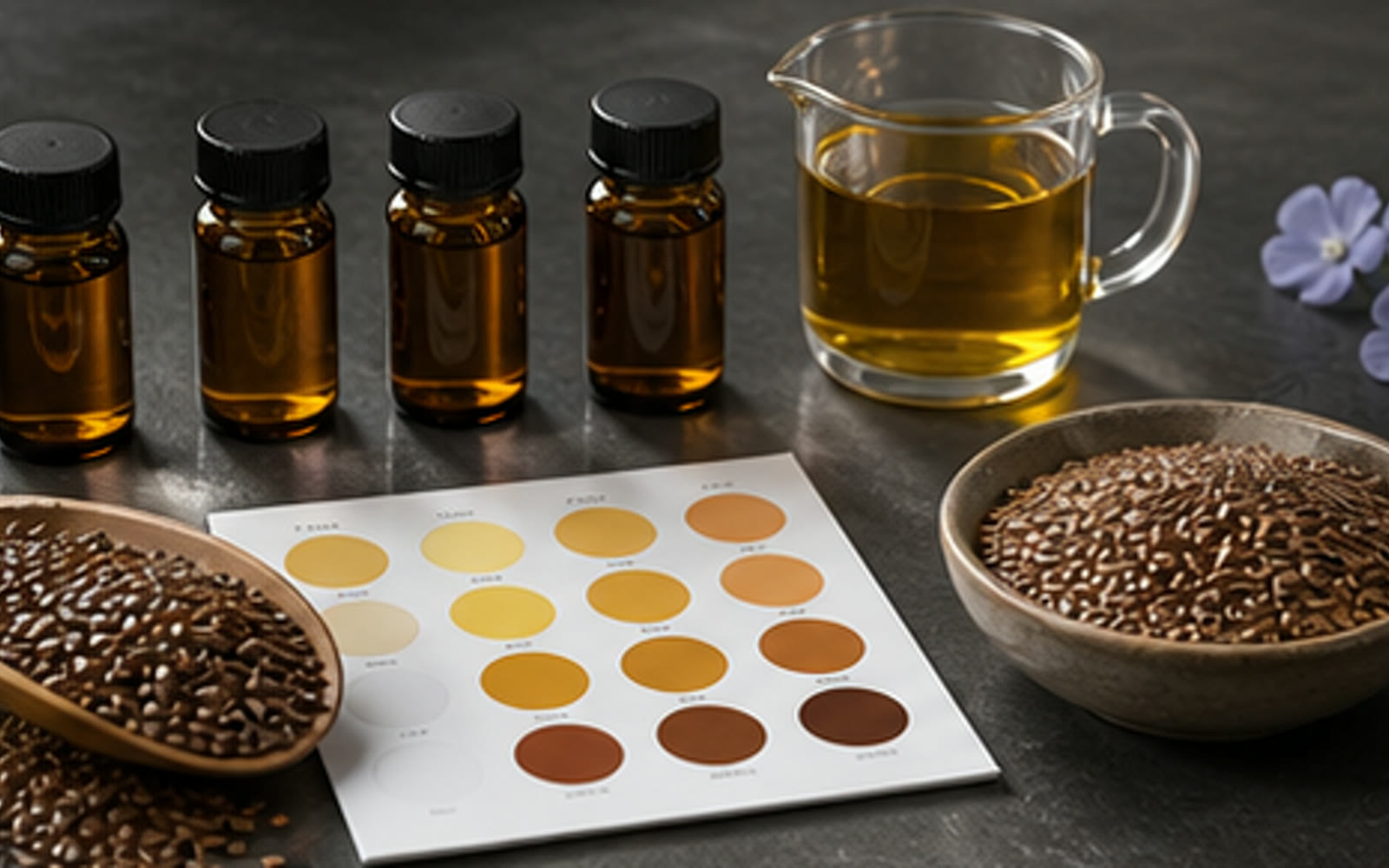
Amber bottles, nitrogen flush, and short-run filling for premium flaxseed oil

The pack format is part of the protection chain. Amber or dark glass blocks UV, nitrogen flush displaces headspace oxygen, and short runs keep inventory fresh. These are not cosmetic choices — they are ALA preservation decisions.

See retail finish
Flaxseed Oil Press

From raw material to finished oil — design, manufacturing, installation, and technical support for small to large-scale oil plants. Qingzhou, Weifang, Shandong Province, China.

300-630 ton hydraulic lineup

Seven hydraulic models from 300–630 ton — hot (300/325) and cold (355–500 class) with 100 kg max feed per batch (see spec tables).

One-stop oil plant scope

Pressing, refining, dewaxing, filtration, filling, and supporting equipment — ODM supported for complete oil projects. Since 2008: 200+ staff, 1000+ customers served.

Project path

Three steps to judge scope, then send requirements

Real projects do not need a long directory first. Start with feed, route, and post-press handoff; after that, the factory can discuss scope directly.

1

Kernel grade and low-temp control

Confirm the feed starting point

Whole seed, kernels, screened feed, moisture, and impurities change pretreatment and press rhythm.

See feed prep
2

Small-batch pressing

Choose hot, cold, or product route

Route decides roasting, temperature, filtration, oil finish, and packaging before model comparison.

See route options
3

Bottle-ready finish

Send the project inputs to the factory

Output target, workshop, voltage, downstream handoff, and photos make sizing much faster.

Start flaxseed project brief

Photos and videos first

See equipment, workshop, and delivery before the details

If the full brief is not ready yet, these clips show barrels, pressing, cake discharge, workshop layout, larger models, and export delivery so the scope becomes easier to place.

Contact after viewing
Linseed site
00:16

Flaxseed and linseed projects need site rhythm and handoff

Whether low-temperature or hot pressing, check feed cleanliness, barrel loading rhythm, oil flow, and post-press storage.

Barrel and model
00:14

See the 300 / 325 / 355 barrel and model scale

Seeing the barrel, frame, and loading space makes capacity, shifts, and model selection easier to discuss.

Workshop
00:16

Workshop view for layout and operating side

Useful for checking footprint, access aisles, loading side, cake discharge, and filtration position.

Cake discharge
00:14

Cake discharge should be planned with oil handling

Bagging, bins, or crushing after discharge changes press-room flow and by-product value.

Capacity upgrade
00:14

500 model view before expansion or multi-press planning

When the project moves beyond trial batches, workshop height, lifting, loading, and filtration need to be checked together.

Export case
00:14

Export projects need voltage, packing, and delivery conditions

For export projects, voltage, crate packing, spare parts, installation mode, and destination port should be aligned early.

Delivery scene
00:14

Delivery depends on installation interfaces prepared early

Fast startup after arrival depends on power, foundation, lifting, and staffing being confirmed before shipment.

Flaxseed lot freshness and storage management reference
Freshness is everything

Flaxseed oil oxidizes faster than almost any edible oil — the project starts with lot discipline

Flaxseed oil is rich in alpha-linolenic acid (ALA), the omega-3 fatty acid that makes it nutritionally valuable — and extremely oxidation-prone. When the discussion opens with lot history, storage age, and freshness discipline, the real project risk becomes visible. Temperature, light, and oxygen exposure are enemies from harvest to bottle.

See lot discipline
Flaxseed cold-press protection flow video poster
Protection chain
01:02

From gentle feed through low-temperature pressing to nitrogen-blanketed dark storage

This clip follows flaxseed from lot inspection through gentle conditioning, low-temperature hydraulic pressing, rapid filtration, and into nitrogen-blanketed dark tanks. It shows why the protection chain — not the press alone — defines a premium flaxseed oil project.

Watch protection flow
Flaxseed low-temperature pressing reference
Low-temperature cell

A gentle hydraulic cell where pressing temperature stays below the ALA degradation threshold

Cold-press is not a marketing label — it is a measurable temperature discipline. On flaxseed, keeping the oil exit temperature below 40–45°C preserves the ALA behind the premium. This needs to be framed as an engineering commitment, not a slogan.

See pressing discipline
Flaxseed oil amber bottle packaging reference
Retail finish

Amber bottles, nitrogen flush, and short-run filling for premium flaxseed oil

The pack format is part of the protection chain. Amber or dark glass blocks UV, nitrogen flush displaces headspace oxygen, and short runs keep inventory fresh. These are not cosmetic choices — they are ALA preservation decisions.

See retail finish

Protection-first process

Flaxseed projects should open with oxidation risk and ALA preservation, not press capacity

Flaxseed oil contains 50–60% alpha-linolenic acid, the highest ALA concentration of any common oilseed. This makes it nutritionally exceptional and commercially fragile. Every step from harvest timing to bottle seal determines whether the final product delivers the omega-3 promise or arrives rancid. That is the central fact the whole project has to serve.

Compare flaxseed routes
Step 1

Verify lot freshness: harvest date, storage age, and moisture history

Flaxseed that has been stored warm, long, or in humid conditions may already be partially oxidized before it enters the press. Lot freshness verification is the first quality gate — not cleaning.

Step 2

Condition gently: minimize heat and residence time

Flaxseed conditioning must stay below temperatures that accelerate ALA oxidation. The goal is uniform moisture for pressing stability without thermal damage to the omega-3 content.

Step 3

Press cold: exit oil temperature below 40–45°C

The hydraulic press is sized and operated to keep exit oil temperature within the cold-press threshold. This is a batch-rhythm decision: slower cycles, lighter fills, and temperature monitoring — not a spec-sheet claim.

Step 4

Protect after press: rapid filtration, dark tanks, nitrogen blanket

The protection chain after pressing is where most flaxseed projects fail. Rapid filtration, nitrogen-blanketed dark tanks, and light-protected transfer to filling are non-negotiable if the oil is sold as premium cold-pressed flaxseed oil.

50–60%
ALA (omega-3) in flaxseed oil
The highest omega-3 concentration of any common oilseed. This is the nutritional promise — and the oxidation risk — that defines the entire project.
<45°C
cold-press exit temperature target
Above this threshold, ALA degradation accelerates and the cold-press claim becomes questionable.

Protection modules

Modules designed to protect a sensitive oil, not just press and filter

A flaxseed line is not a general edible-oil line running at lower temperature. It is a purpose-built protection system where lot handling, gentle conditioning, temperature-controlled pressing, rapid closed filtration, nitrogen-blanketed storage, and light-protected filling each serve the same goal: delivering ALA-rich oil to the bottle without oxidation damage.

Review protection modules

Lot inspection and freshness gate

Every batch starts with a freshness check: peroxide value, moisture, storage age. Stale seed produces stale oil regardless of pressing temperature. This gate must exist before conditioning.

Nitrogen-blanketed dark storage

Flaxseed oil stored in contact with air and light degrades within days. Nitrogen blanket tanks with opaque or insulated walls are part of the line scope, not an afterthought. Tank residence time should be minimized.

Short-run filling with nitrogen flush

Premium flaxseed oil is filled into amber or dark glass with nitrogen headspace flush. Short production runs keep shelf inventory fresh. The filling station must support inert-gas purge and rapid batch changeover.

  • If lot records and storage history are vague, 'cold press' alone will not sound credible.
  • Gentle conditioning and rapid closed filtration must be described together to support the sensitive-oil story.
  • Nitrogen-blanketed dark storage defines a flaxseed line more honestly than capacity numbers alone.
  • Nutrition-oil bottle runs should treat filling atmosphere, label dating, and retained samples as line scope.

Market lanes

Retail nutrition brand, ingredient supply, and contract pressing — three flaxseed business models

Flaxseed oil is not a commodity. The real commercial split is not cold-press versus hot-press but whether you sell a retail nutrition brand, supply ALA-rich ingredient oil to food manufacturers, or process contract batches for multiple premium clients.

Review buyer checklist

Own-brand retail nutrition oil

Amber bottles, nitrogen flush, shelf-life dating, and an omega-3 content claim on the label. The entire line must support the brand promise from lot selection to final seal.

ALA-rich ingredient supply

Bulk drums or IBC containers with peroxide-value certificates and batch traceability. The food manufacturer needs consistent ALA content and documented storage conditions.

Contract premium pressing

Multiple brand owners share the pressing line with batch segregation, dedicated cleaning, retained samples, and independent lab reports per lot. Changeover discipline and record-keeping define the service.

  • Own-brand projects need freshness narrative, bottle format, and light-protected packaging discussed together.
  • Ingredient supply routes care about repeatable ALA content, peroxide value, and traceable storage.
  • Contract pressing requires earlier answers on changeovers, retained samples, and small-batch rhythm.
  • Most of the added value comes from protection-chain design, not from the cold-press label alone.

Project brief

Brief the full protection chain before asking about flaxseed press models

For flaxseed, a compact protection-chain brief is more useful than a list of machine names. Lot discipline, temperature target, filtration method, storage atmosphere, and pack format must all align — because a failure in any one link degrades the ALA that makes flaxseed oil valuable.

Open pre-pricing checklist
  • State lot management method, storage duration, and peroxide-value range of incoming seed.
  • Clarify whether low-temperature handling is a process requirement, a market claim, or both.
  • Define the post-press chain: filtration type, storage atmosphere, tank material, and maximum hold time.
  • Name the pack format: amber glass, dark PET, IBC drums, or bulk nitrogen-flushed containers.
  • If the line serves multiple brands, describe changeover, cleaning, and retained-sample protocols.
The strongest flaxseed inquiries describe the full protection chain: lot freshness, pressing temperature target, storage atmosphere, and pack format. That combination lets the factory design a line that actually delivers the omega-3 promise to the shelf.

Low-temperature scope

Flaxseed press selection only makes sense after the ALA protection chain is fixed

A 300-630 ton hydraulic press family can serve many oilseeds, but flaxseed cannot be written like a normal high-output crop. The press class must be tied to lot freshness, low-temperature exit oil, quick filtration, dark storage, and nitrogen protection.

Press size follows temperature discipline

A larger press is not automatically better if the batch cycle raises oil temperature or leaves oil waiting in open containers.

Filter and tank are part of the first scope

Flaxseed oil should not be described as press-only. Rapid filtration, dark tanks, and nitrogen blanket are the modules that protect the finished value.

Bottle format affects equipment

Amber glass, dark PET, short-run filling, and oxygen control change pump choice, tank residence time, and filling-room layout.

Small-batch line systems

Flaxseed model selection usually follows a premium cold-process discussion. The press must match the batch rhythm, the sensitivity of the oil, and the speed at which the product can move into filtration and protected storage.

Sub-40 °C full-chain temperature control

ALA begins degrading above 40 °C. The entire chain — seed storage, pressing environment, oil transfer, filtration, and tank headspace — must stay below this threshold to support a credible cold-pressed claim.

355–500 cold press with 2 h/barrel cycle

Flaxseed is listed on the flaxseed cold-press page (370–630 ton). 100 kg crushed seed per barrel, ~2 h pressing, 4.5 h per 2 barrels with loading. The slow cycle is acceptable because batch size must match bottling cadence, not warehouse capacity.

Nitrogen-mandatory oil handling

From the moment oil leaves the press, it must contact only N₂-blanketed stainless surfaces. Air exposure at any transfer point accelerates peroxide rise and shortens the already-tight 3–6 month shelf window.

Small-bottle dark-glass filling with expiry dating

Flaxseed oil is sold in 100–500 ml dark glass with N₂ flush and a visible expiry date (3–6 months from pressing). The ALA-safe filling section supports semi-auto or auto filling with nitrogen headspace.

Process and line path

Move from process to line scope and project preparation

Each section follows a practical project path so process notes, equipment scope, and project details stay connected.

Align the common questions first

Common project questions

These answers stay focused on low-temperature discipline, filtration cleanliness, and bottle-ready finish so the project does not collapse into equipment-only talk.

Why is flaxseed oil shelf life only 3–6 months?
Flaxseed oil is ~57% alpha-linolenic acid (ALA), a triple-unsaturated omega-3 fatty acid that oxidizes far faster than oleic or linoleic acids. Even with N₂ headspace and dark glass, peroxide value rises steadily. Most brands print a 3–6 month expiry from pressing date.
What temperature limit applies to cold-pressed flaxseed oil?
ALA degrades noticeably above 40 °C. The seed must not be pre-heated, the press environment should stay cool, and oil must transfer into N₂-blanketed tanks without passing through hot piping. The 355–500 cold-press series operates at ambient temperature.
Which press model fits flaxseed?
The 355/400/426/480/500 cold-press series (370–630 ton) lists flaxseed among recommended oilseeds. Each barrel holds 100 kg of crushed seed and takes ~2 hours to press. Two barrels including loading take about 4.5 hours.
What should a flaxseed oil inquiry include?
Seed moisture and storage age, daily batch count, whether the line includes N₂-blanketed tanks and dark-glass bottling, target shelf-life claim, distribution method (cold-chain or ambient), and whether the oil is sold as a supplement or food ingredient.
Why is flaxseed oil usually planned as a low-temperature project?
Flaxseed oil is valued for ALA omega-3 and oxidizes quickly. Lower temperature pressing, rapid filtration, dark storage, and sealed filling all help protect that value.
What should be checked before pressing flaxseed?
Check moisture, storage odor, broken seed percentage, cleaning status, and whether the line needs nitrogen-blanketed tanks or quick bottle filling after filtration.
When does flaxseed oil need small-batch equipment?
Small-batch equipment fits premium nutrition brands, contract runs, and traceable lots where freshness, testing, and sealed packaging matter more than bulk throughput.
Ready to size a line for your oilseed?

Share kernel grade, low-temperature target, filtration standard, and packaging direction so the line can be sized like a premium small-batch project.